


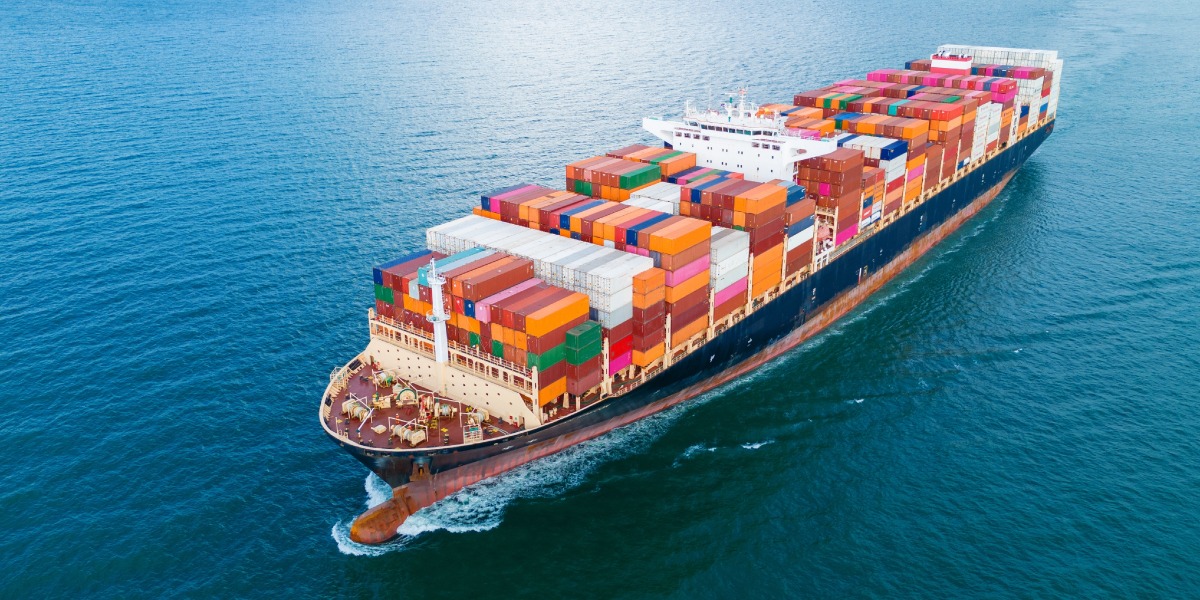
Global travel is now a key part of the supply chain. This means port congestion can derail an international meeting just as easily as a travel delay. Managing travel is watching two things at once. Firstly, the movement of people and the flow of event materials. It is a growing overlap between logistics and supply chain management in global travel operations.
Since successful events require both parties to arrive on time, mastering supply chain management is the best option. A way to keep operations running smoothly when global logistics face sudden pressure.
To minimize the complexity, planners must look beyond the passenger booking and understand the broader forces that moves goods across borders. Spotting these changes early lets organizations adjust before a delay turns into a crisis. Understanding trends is the first step toward building a travel program supported by supply chain management logistics.
Let’s have a look at how they are reshaping global logistics in 2026.
I. AI Becomes a Core Decision Tool in Supply Chain Management
Artificial intelligence no longer sits on the sidelines. By 2026, AI will support everyday planning across global supply chain management, from demand forecasting to route optimization and early detection of disruption.
What has changed is dependence. AI-driven insights now influence planning decisions upstream, before freight ever moves, rather than reacting once delays surface.
For travel managers, this shift carries real value. AI-driven systems highlight risks before they escalate, whether port congestion, weather disruption, or carrier schedule changes that affect event cargo or group logistics.
Instead of responding after delays surface, planners gain space to:
-
Adjust timelines earlier
Small timing shifts upfront often prevent larger downstream disruptions.
-
Reallocate inventory or equipment
Assets move based on predictive signals rather than last-minute fixes
-
Communicate changes clearly to stakeholders
Clear early messaging reduces pressure on travel and operations teams.
AI strengthens decision-making by turning large volumes of logistics data into insights planners can actually use across global supply chain management environments.
II. Regionalized Supply Chains Reduce Risk but Increase Planning Complexity
Global sourcing continues to rebalance. Many organizations now rely on regional or near-shore supply networks to limit exposure to geopolitical uncertainty and long transit times. This shift reshapes supply chain management logistics across industries, particularly where timing and coordination are critical. The trade-off becomes clear quickly. Risk reduces on long routes, but coordination requirements increase closer to the point of use.
For travel and event logistics, regionalization changes how freight gets staged and delivered. Rather than shipping everything from a single global hub, planners increasingly work with
-
Multiple regional warehouses
Inventory spreads closer to destinations, reducing last-mile pressure.
-
Local freight partners
Regional expertise improves responsiveness when plans change.
- Flexible routing strategies
Routes adapt based on availability rather than fixed lanes.
This structure lowers dependence on long international lanes. At the same time, coordination demands rise. This reflects the broader complexity within logistics and supply chain management when assets move closer to the point of use. Travel managers need clarity on asset location, deployment timelines, and fallback options when a regional node faces disruption.
III. Sustainability Influences Logistics and Supply Chain Management Decisions
Sustainability no longer lives only in annual reports. In 2026, environmental considerations influence carrier selection, routing choices, and packaging decisions across logistics and supply chain management.
Travel managers see growing attention on:
-
Carbon impact of air versus ocean freight
Mode choice increasingly carries reputational and reporting weight.
-
Shipment consolidation for events
Fewer movements reduce both emissions and handling risk.
-
Reusable or reduced packaging for exhibition materials
Packaging decisions influence transport efficiency and storage costs.
Sustainability targets vary by organization. Operational pressure remains consistent. Planners balance speed, cost, and environmental responsibility, often under tight timelines. Early planning becomes essential to avoid last-minute transport decisions.
IV. Visibility Becomes Central to Customer Experience
Visibility now defines effective supply chain management. Stakeholders expect real-time updates, reliable timelines, and proactive communication, especially when coordinating group travel or time-sensitive event logistics. Visibility shifts expectations. Silence now creates concern even when shipments remain on track.
Modern visibility tools support:
-
End-to-end shipment tracking
Planners follow movement without chasing multiple vendors
- Automated exception alerts
Issues emerge early, before they disrupt schedules.
-
Centralized dashboards for planners
Decision-making improves when data sits in one place
For travel management companies, this transparency improves coordination across teams, suppliers, and clients. It also reduces uncertainty for travelers and organizers, which directly improves confidence in logistics planning. Visibility functions as a baseline service expectation.

V. Warehousing Plays a Strategic Role in Supply Chain Management
Warehousing now carries a more strategic role within warehousing in supply chain management, moving beyond static storage. Storage facilities function as active staging hubs rather than passive holding points.
For travel-related logistics, strategic warehousing enables:
-
Early shipment of event materials
Assets arrive ahead of schedule, reducing on-site stress.
- Secure storage ahead of conferences or exhibitions
Materials remain protected until deployment windows open.
-
Faster last-mile delivery close to venues
Proximity reduces exposure to congestion and delays.
Short-term or bonded warehousing helps planners manage customs timing, ease congestion risk, and respond to late schedule changes within modern warehousing in supply chain management models. As supply chains grow more fluid, warehousing decisions increasingly influence service reliability.
Understanding the Difference Between Logistics and Supply Chain Management
One common area of confusion remains the difference between logistics and supply chain management, especially in travel operations.
-
Logistics focuses on transportation, warehousing, and delivery.
This execution layer is where timelines directly affect traveler readiness and event setup. Execution happens here, where timing and accuracy matter most.
-
Supply chain management oversees
End-to-end flow from sourcing to delivery through accountable planning and coordination.
For travel managers, this distinction carries practical importance. Logistics handles movement. Supply chain management ensures those movements stay aligned with timelines, budgets, and organizational priorities.
What These Trends Mean for Travel Managers and Travel Management Companies
Together, these trends point to a clear direction. Global supply chain management continues to integrate more tightly, rely more heavily on data, and focus more on the end customer. Travel operations increasingly sit downstream of these decisions, not alongside them.
For travel-focused organizations, this translates into:
-
Earlier logistics planning was tied directly to travel schedules
Freight decisions typically begin before travel dates are confirmed.
-
Closer coordination between travel and freight teams
Silos create delays; alignment prevents them.
-
Greater reliance on forecasting and visibility tools
Assumptions give way to evidence-based planning.
-
Stronger attention to risk management
Uncertainty becomes manageable rather than disruptive.
Teams that understand these shifts place themselves in a stronger position to deliver consistent travel experiences, even when conditions change quickly.
Practical Planning Considerations for 2026
To adapt, travel managers often start with a few grounded steps. The goal is progress. Here are the things to consider
-
Review how logistics decisions connect to travel planning within broader supply chain management logistics frameworks.
Misalignment often hides in handoffs between teams.
-
Identify where visibility and alerts matter most – Not every shipment needs the same level of monitoring
-
Assess warehousing or staging options near major travel hubs – Proximity buys time when schedules shift
-
Build flexibility into timelines to reduce disruption risk – Buffer planning remains one of the most effective safeguards.
None of these steps demands sweeping structural change. They do benefit from informed planning and coordinated execution.
Conclusion
A successful travel program is based on aligning goals with global reality. Whilst maintaining a commitment to reviewing logistics and validating all processes. When planners bridge the gap between travel desks and freight forwarding companies. It incorporates supply chain management as a safety net for their programs.
This approach ensures that travel organizations navigate them with expert precision. Ultimately, treating logistics as a core part of travel planning is the only way to ensure that both people and materials arrive in perfect harmony.