


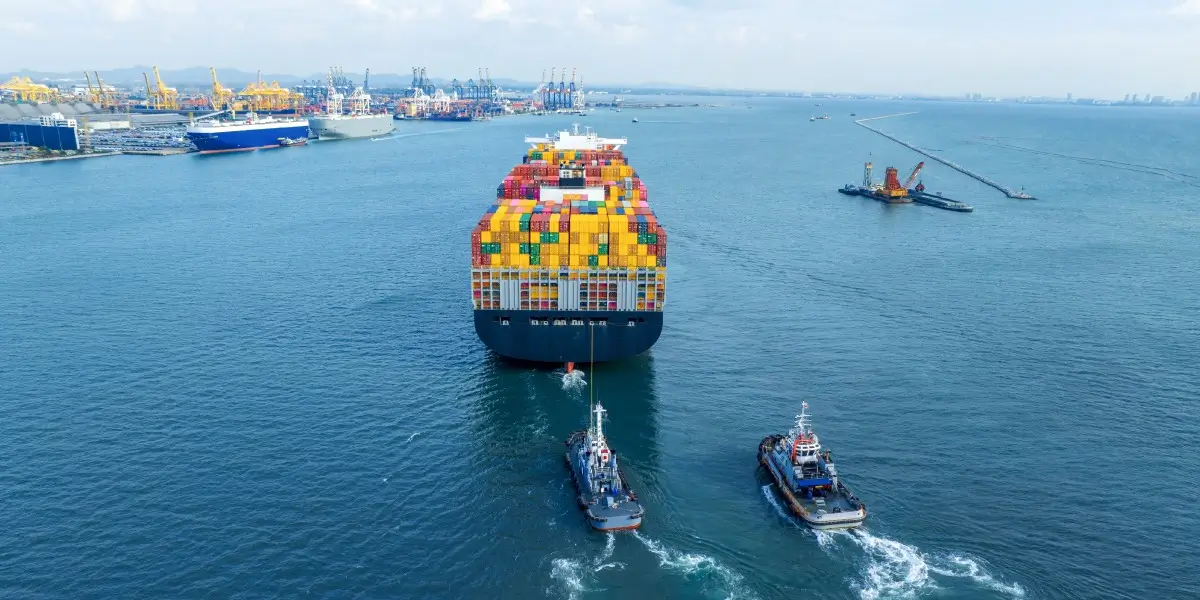
To be blunt, moving goods from a landlocked nation like Rwanda in 2026 feels like a total logistical mess when you try to wing it. You have shifting rules at the Mombasa and Dar es Salaam ports. Then you have the constant swing of ocean rates. Rwandan companies find themselves stuck in a tight spot. However, the real secret is that ocean freight is the most reliable, scalable tool you own if you know how to use it right.
Master the complexities of Rwandan sea shipping with an inside look at raw market mechanics. Between volatile pricing and 2026 compliance shifts, your profits are on the line. Here learn how to cut transit times and stay ahead of new regulations. If you’re ready to start leading your logistical strategy, you’ve come to the right place.
Let’s dive right in and know more
Why Ocean Freight Remains Essential for Global Trade
With steady advances happening in air and multiple modes of transport, ocean freight continues to hold its place at the core of international commerce, especially once shipment scale enters the picture. Most global cargo transits by sea, predominately because no other mode of transport supports high volumes at comparable unit costs for long. For companies moving raw materials, retail inventory, sea transport remains the most practical option for operations. Over time, this reality has proven firmly consistent.
For businesses operating out of Rwanda, freight rarely starts at the shoreline and almost always begins inland. Cargo moves toward regional ports such as Dar es Salaam; it crosses multiple checkpoints. From there, shipments join established global shipping lanes linking East Africa with Asia, Europe, and the American continent. The strength here depends on coordination across teams, accuracy in documentation, and consistency in the ocean freight forwarding process, which often gets underestimated.

How Ocean Freight Works for Shipments from Rwanda
A clear understanding of how ocean freight operates helps businesses plan timelines and avoid expectations that tend to unravel later. The process begins with shipment planning, although this stage often receives less attention than it should. Cargo details such as weight, dimensions, and commodity type get confirmed early than internal teams expect it to be done.
Businesses decide between full or less than container loads. Once space gets confirmed with a carrier, cargo moves inland toward the port, where timelines start to tighten. Here it undergoes consolidation, inspection, and export clearance. The international ocean shipment then moves to the destination port, followed by customs clearance and final delivery.
Each stage brings its own regulatory checks, coordination with carriers, and documentation requirements. Now in 2026, most of the delays come from inland transport paperwork gaps that surface later.
Cost Factors Influencing in 2026
Shipping costs are a main concern in ocean freight planning. Rates fluctuate based on several factors, including container availability, fuel prices, port congestion, and carrier demand cycles that change fast than forecasts suggest. For shipments starting in Rwanda, inland haulage to port represents a meaningful share of total cost. Businesses also factor in container type, transit urgency, insurance, and destination port charges.
Sea freight continues to offer better economics than air transport, though weak planning can narrow that advantage faster than teams anticipate. Working with structured forwarding partners allows businesses to forecast costs with more confidence. That structure also helps prevent unexpected charges tied to compliance gaps or re-routing.
Documentation and Compliance in Ocean Shipping
Appropriate documentation holds a pivotal place in every successful movement. Core paperwork includes the bill of lading, commercial invoice, packing list, and certificates of origin. Even a small inconsistency slows down customs clearance and further raises costs in the long run.
For exporters based in Rwanda, compliance spans multiple jurisdictions. Transit countries and destination markets each introduce their requirements. Since 2025 customs authorities increasingly depend on digital verification and further raise the bar for precision. Businesses that embed documentation checks early in the ocean freight forwarding process reduce exposure to delays and penalties later in the process.
Managing Risk in Operations
Each ocean shipment comes with a degree of risk. Starting from disruptions, port congestion and geopolitical uncertainty still remain part of the operating environment. Risk management in freight deals with preparation even though reaction tends to dominate attention. Cargo insurance, realistic transit planning, and backup routing options continue to matter.
Companies that treat freight as a managed operational function, than a one-off transaction, respond more effectively when disruptions occur. That approach limits escalation in both cost and service impact when disruptions occur.

Using Technology to Improve Visibility
As shipment volumes increase, manual coordination becomes harder to sustain. By 2026, many businesses will rely on digital platforms to manage ocean freight workflows more consistently.
Structured booking systems, real-time tracking, and centralized documentation improve visibility across the shipping lifecycle, provided teams use them consistently. These tools allow logistics teams to follow container movement, anticipate delays, and maintain compliance across borders with less friction than those of manual coordination allow.
Satguru Cargo supports this approach through services built around operational clarity. Booking coordination, documentation support, and shipment visibility sit within a single framework. That structure gives businesses one point of control across inland transport, port handling, and international sea movement. The emphasis stays on transparency and informed decision-making, not promotion.
Choosing the Right Ocean Freight Partner
Selecting the right travel management company plays a key role in long-term shipping stability. Strong partners do more than move cargo; they clear when volumes increase. They offer insight, risk management, and structured oversight.
Experienced travel management services providers help businesses manage carrier selection, compliance requirements, and cost discipline. For companies expanding exports from Rwanda, the ability to align inland transport, port handling, and international ocean freight under one framework enhances accountability.
Scalability and Long-Term Planning
As trade volumes grow, strategies need to evolve. Approaches that work for occasional shipments generally fall short when exports become regional expansion begins. Businesses planning for growth benefit from standardized processes, clear workflows, and predictable carrier relationships.
In 2026, scalability relies heavily on data-led planning. Shipment history, cost benchmarks, and performance metrics help businesses refine routes, negotiate rates, and improve forecasting accuracy across sea freight operations. Over time, that discipline supports steadier growth and, while not eliminating surprises, reduces how often they escalate.
Conclusion
Look, at the end of the day, your customers do not care about the mountains sitting between Kigali and the coast. They solely care about getting their stuff. In 2026, the deliveries happen at a price that keeps your doors open. This blog proved that the “landlocked” label only limits people who refuse to plan.
By moving away from reactive shipping and building a structured business function, you take back control of your costs and your schedule. You should develop your strategy on solid partnerships and clear data.
When you do that, the sea becomes the most powerful ally you have. Stop treating shipping like some annoying headache you cannot avoid. Start using it as a strategic weapon instead. The horizon looks wide open now. Go out and take your piece of it.